

HYBRID IDENTITY: MERGING BOUNDARIES.
A unified review of six short films by OKORO GODWIN
In these six diverse films, identity emerges not as a fixed state but as a hybrid of survival, spirituality, culture, morality, and personal conflict. Each story presents characters caught between who they are, who society expects them to be, and who they are forced to become. Through drama, comedy, supernatural encounters, and cultural tension, the films collectively explore merging identities the blending of roles, values, and realities that shape human experience.
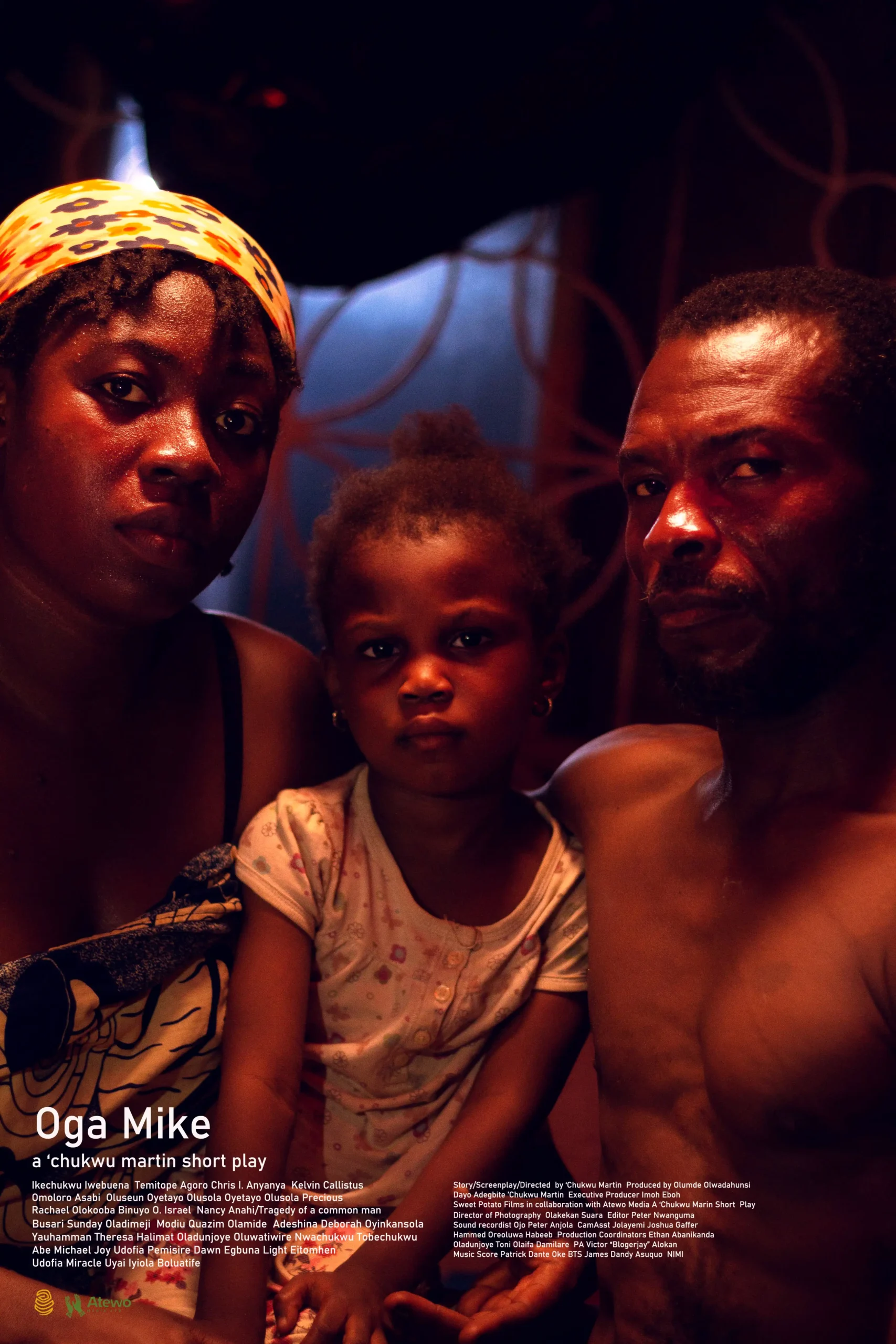
Oga Mike is a poignant short drama that tells the story of a man who appears as a mascot dancer to earn a living and support his family. The film captures his daily struggles and the little money he makes while highlighting deeper family tensions.
A unique feature of the film is the visible choir that sings throughout, symbolizing a spiritual presence and serving as a reminder of Mike’s distance from his faith, as he hasn’t attended church in a long time. This spiritual layer adds depth to the story and creates a reflective atmosphere. Oga Mike combines emotional storytelling with symbolic elements like the choir to explore complex family dynamics and personal struggles. The portrayal of everyday hardship and silent emotional battles makes it a relatable and moving film.
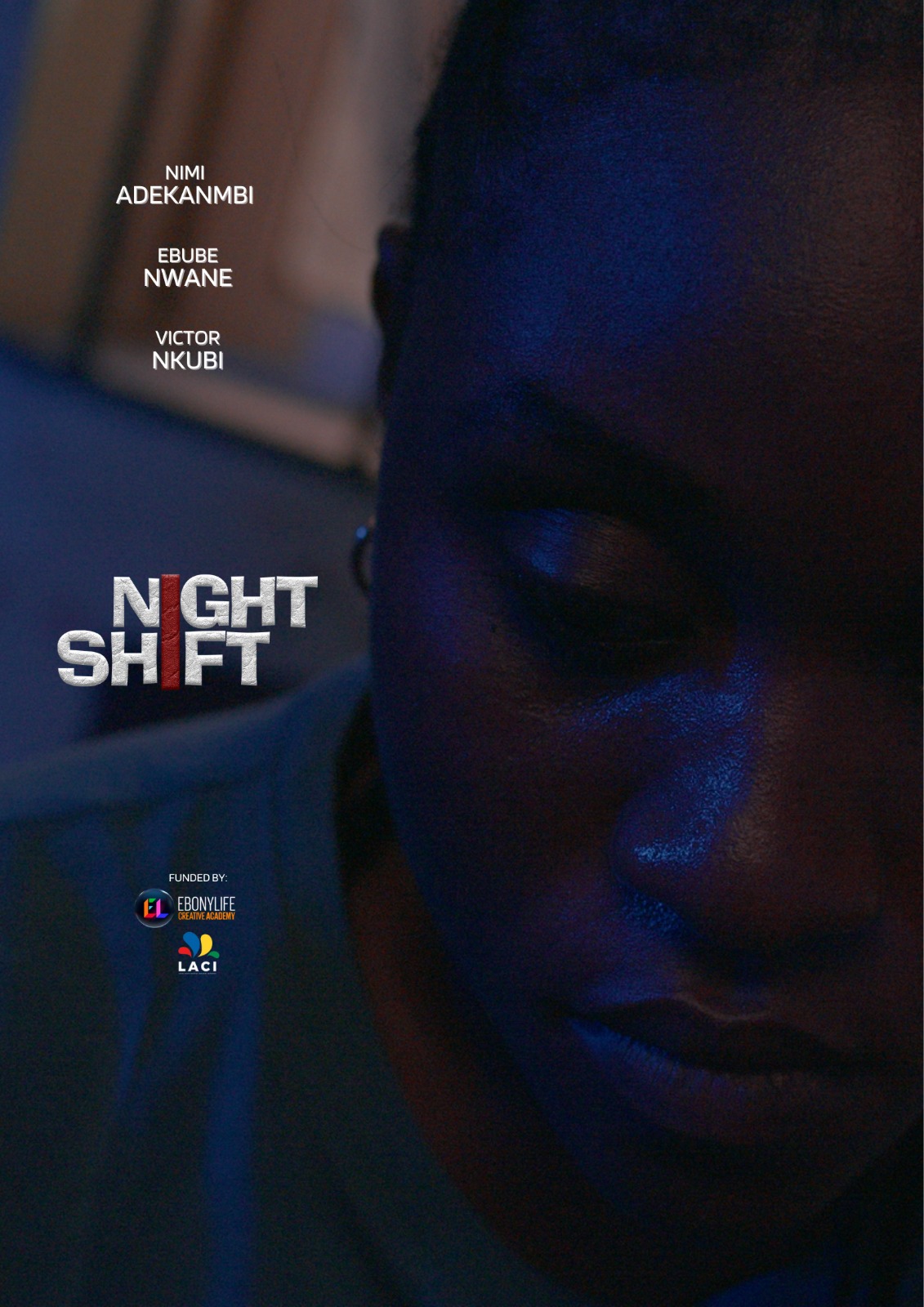
The Night shift film centers on the struggles of a family facing economic hardship. Bayo, an Uber driver, and his wife Adetutu a nurse along with their son Pelumi, are depicted as people trying to survive amid difficult circumstances. She secretly leads a double life while appearing as a nurse, she is involved in harvesting human parts, a dark secret that adds a strong thriller element to the story. The plot develops well through the husband’s growing suspicion after receiving an unexpected sum of money from her which contrasts sharply with their financial struggles. The tragic end and Adetutu breakdown reveals the emotional weight of her desperate decisions to get her family to a level of financial stability.
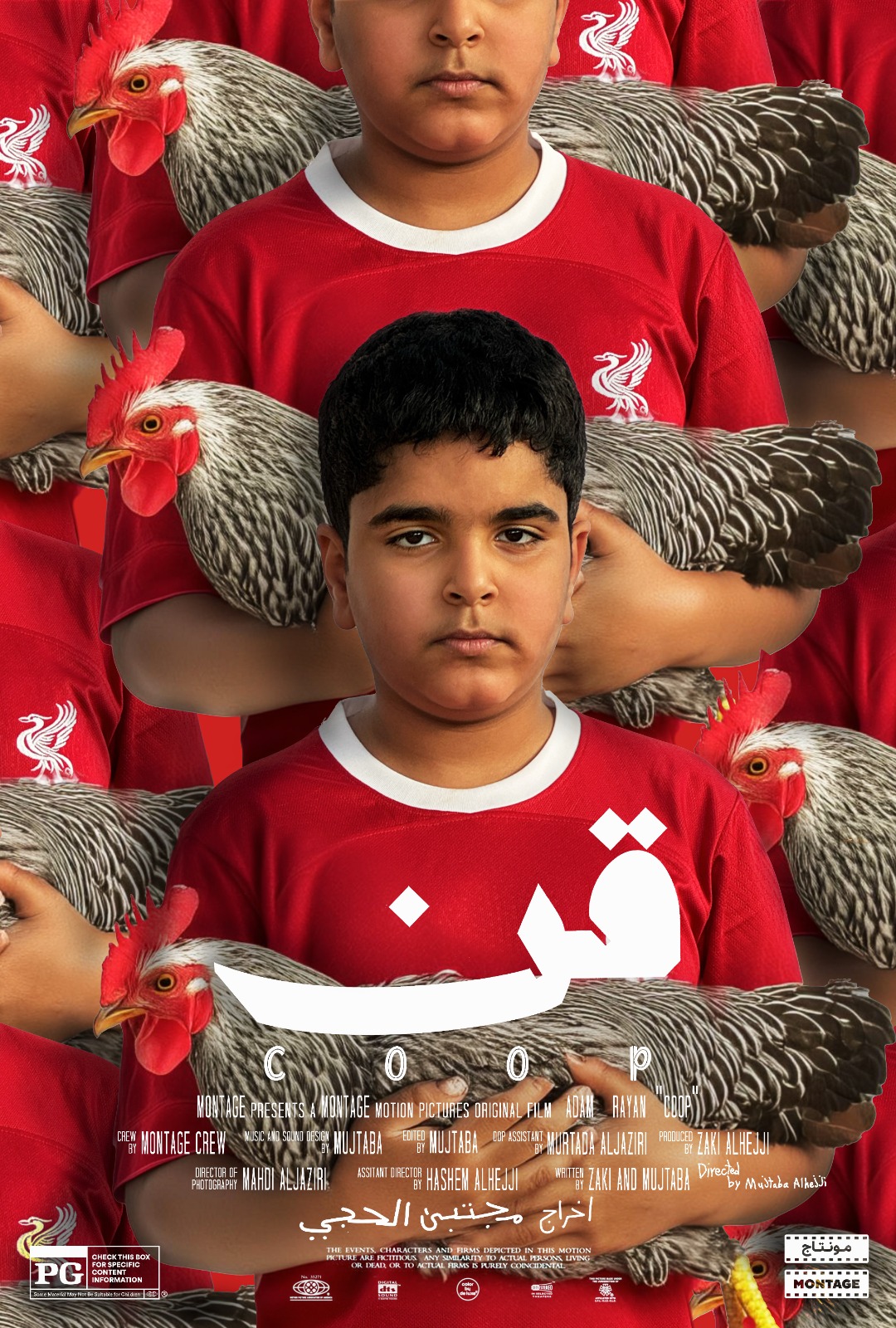
The Coop is a light-hearted Arabic comedy set in Saudi Arabia, following a boy named Adam who accidentally bursts a football and must replace it to stay in his friend group. His father jokingly tells him to sell one of their chickens in the coop to raise money, but Adam naive and eager ends up trading the chickens for some tomatoes and sold the tomatoes without fixing a price, eventually giving away every chicken in the coop.
The film delivers humor through Adam’s innocent mistakes and the father’s dramatic reaction when he discovers all the chickens are gone. After punishing him by tearing the new ball, the story turns tender as the father later forgives Adam and gives him another ball. The coop highlights brotherhood, forgiveness and the playful negotiations of childhood friendship
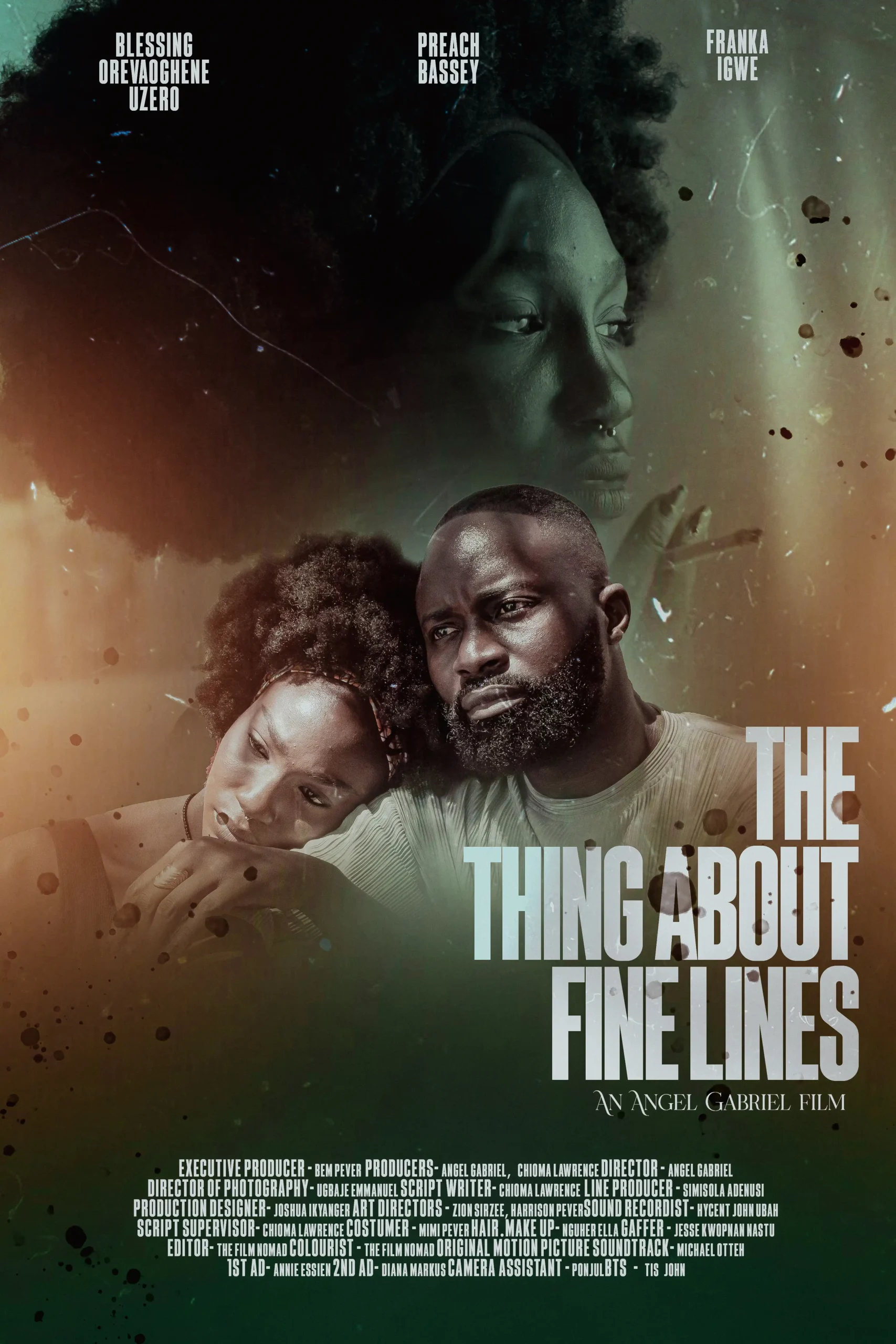
The Things About Fine Lines is a gripping drama about a woman trapped in a nine-year relationship. After enduring seven abortions and a partner unwilling to take responsibility, her story unfolds through a tense interrogation by an Asp Ayo an officer. The film uses flashbacks to reveal her dark plan how she ends up giving her boyfriend Vecuronium without no intentions of killing him but eventually causes his death and leaves her paralyzed because she also took from the drugs.
The narrative explores themes of betrayal, desperation, and tragic consequences. The woman’s actions, motivated by a desire to disrupt her boyfriend’s wedding, lead to unintended tragedy and her facing a death penalty. The story is emotionally charged and thought-provoking, highlighting the devastating effects of toxic relationships and the extremes one might go to when pushed to the edge.
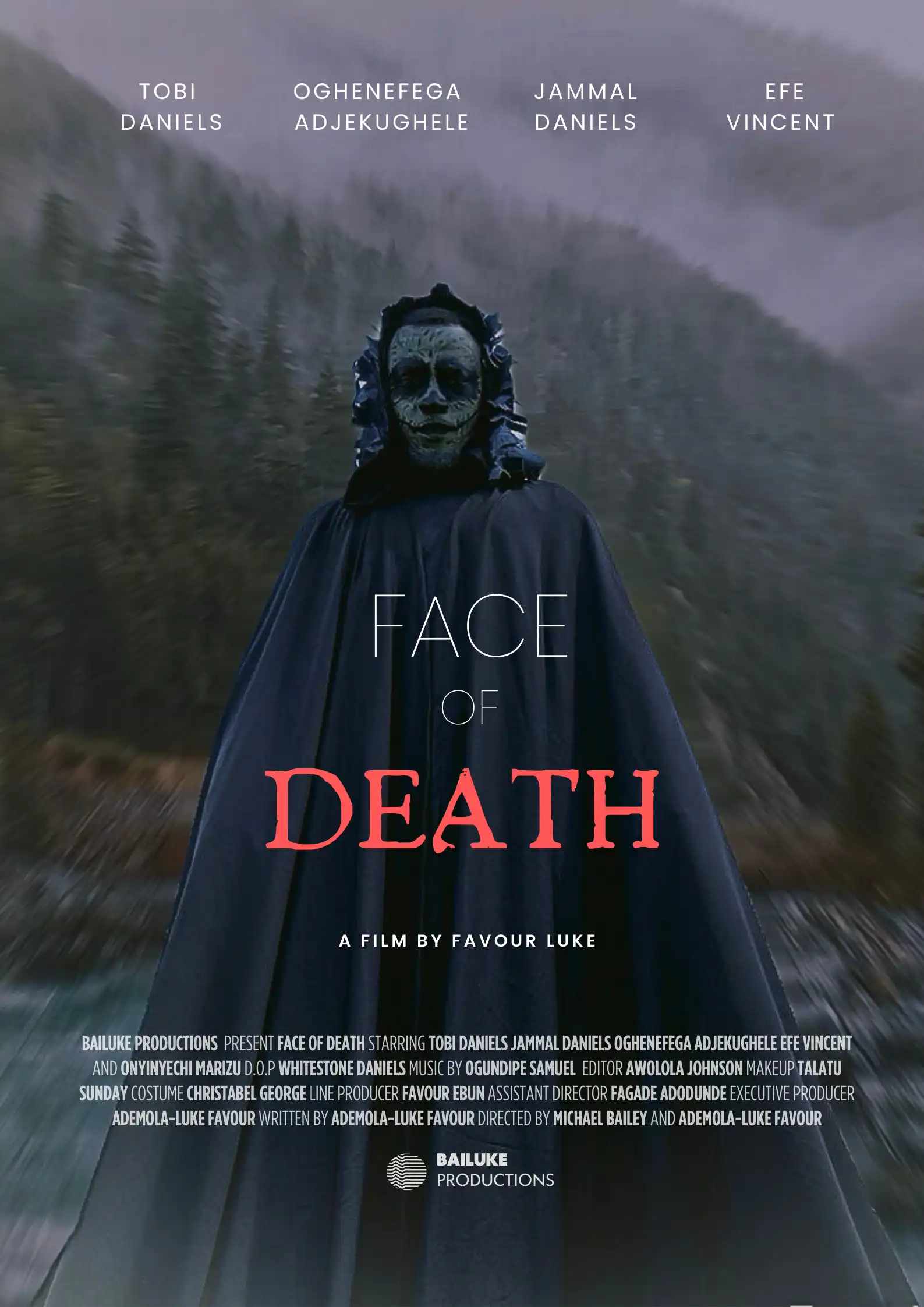
Face of Death tells the intense story of Dami, a girl who collapses and awakens in a mysterious spirit world. She appears in a canoe on a vast ocean, then finds herself running from a demon in an open field. A girl rescues her and reveals that they are in the realm between life and death, filled with souls who look dead. Dami is being chased because she’s still alive and must fight her way out. While she battles spiritually, her body in the real world is in a coma as Doctors and nurses try to revive her at the hospital. The demon confronts her with her past sins, nearly breaking her, until she remembers the power of forgiveness.
With that strength, she defeats the demon, escapes the spirit world, and wakes up. Face of death is a thought-provoking short film that combines supernatural thrills with a clear moral and spiritual message. Its visual symbolism, emotional stakes, and redemptive arc leave a memorable impact. A powerful reminder that faith, forgiveness, and inner strength can conquer even the darkest fears.
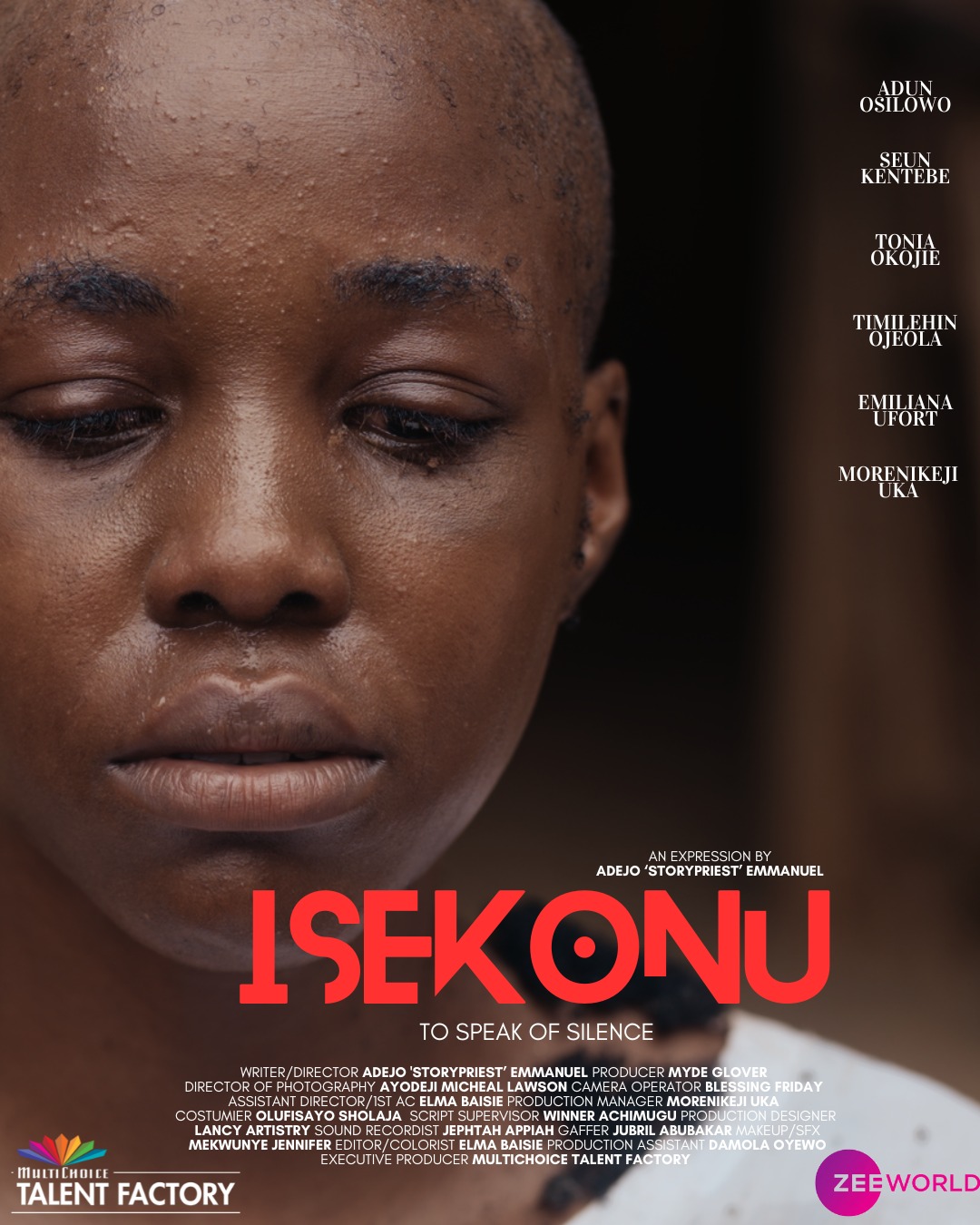
Isekonu is a gripping, emotional drama that explores injustice, tradition, and the burden placed on women in some communities. The story follows a young widow wrongly accused of killing her husband. Driven by grief and pressure, her brother Inlaw force her through harsh traditional rituals shaving her head, sitting on ash, and swearing an oath to prove her innocence.
Her attempt to escape with her daughter adds tension to the plot, leading to her capture and a terrifying night where she’s forced to drink a ritual potion that may kill her before morning. The film’s most powerful moment comes when her husband ’s spirit appears, revealing the truth: she slept with his brother only to raise money for his hospital bills, a painful sacrifice misunderstood by all. By morning, her survival proves her innocence, exposing the injustice of the accusations. Isekonu stands out for its emotional depth, cultural realism, and the way it highlights the cruelty of false judgment. It’s a bold commentary on how tradition can be twisted against the vulnerable.
CONCLUSION
Across these six films, identity proves fluid, layered, and often contradictory. Whether through spiritual distance, secret lives, childhood mistakes, emotional trauma, supernatural encounters, or cultural oppression, each character navigates a hybrid identity shaped by circumstance. These stories collectively argue that identity is not singular it is a merging of self, society, past, pressure and survival.
CONCLUSION
Across these six films, identity proves fluid, layered, and often contradictory. Whether through spiritual distance, secret lives, childhood mistakes, emotional trauma, supernatural encounters, or cultural oppression, each character navigates a hybrid identity shaped by circumstance. These stories collectively argue that identity is not singular it is a merging of self, society, past, pressure and survival.