

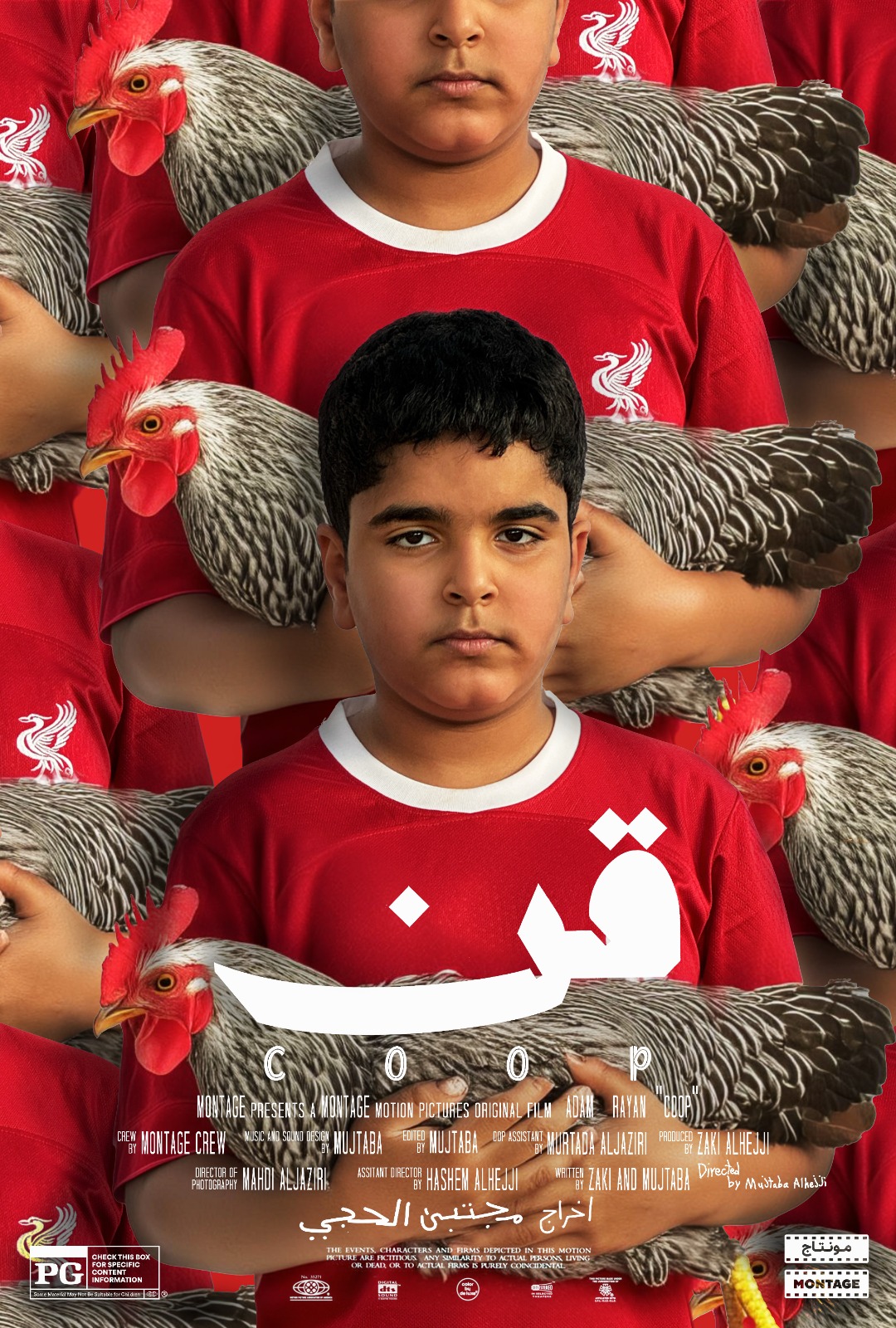
Title of film: Coop
Year: 2024
Region: Saudi Arabia
Coop offers us a tender tale about innocence, single fatherhood, and the pursuit of belonging. It follows the story of a young Adam, who accidently bursts his team’s football, and must replace it. Should he be unable replace it, the condition is that he and his younger brother can no longer play with the group. Adam resorts to selling all the chickens in his father’s coop (he was only offered a single dead chicken). Humorously, the film shows us his journey between his home and the market as he trades in the chickens for tomatoes, and the tomatoes for money, and eventually, the money for the ball and an assortment of treats. This angers his father, who, in a fit of rage, slashes the newly bought ball. It quickly becomes evident that Adam’s fear of loneliness is motivated by his witnessing of his father’s own loneliness. His father exclaims, “I am also alone!” and we are shown a moment of both generations sitting solemnly with their pain and rejection. We see his father wrestle with what he has done and see him give Adam a new ball. They embrace, and Adam and his younger brother return to the team. Even then, they encounter a few obstacles, as the condition is no longer that a new ball needs to be bought, since the team already has a ball. As fate would have it, their ball also bursts, and this time it isn’t Adam’s fault. The film’s blend of humour and subtle exploration of childlike innocence, a desire for community and belonging, is approached with sensitivity and balance. The film also whispers about vulnerability in father-son relationships. Coop is not just a light-hearted coming-of-age story. It is also an invitation for us to look around at what truly matters.
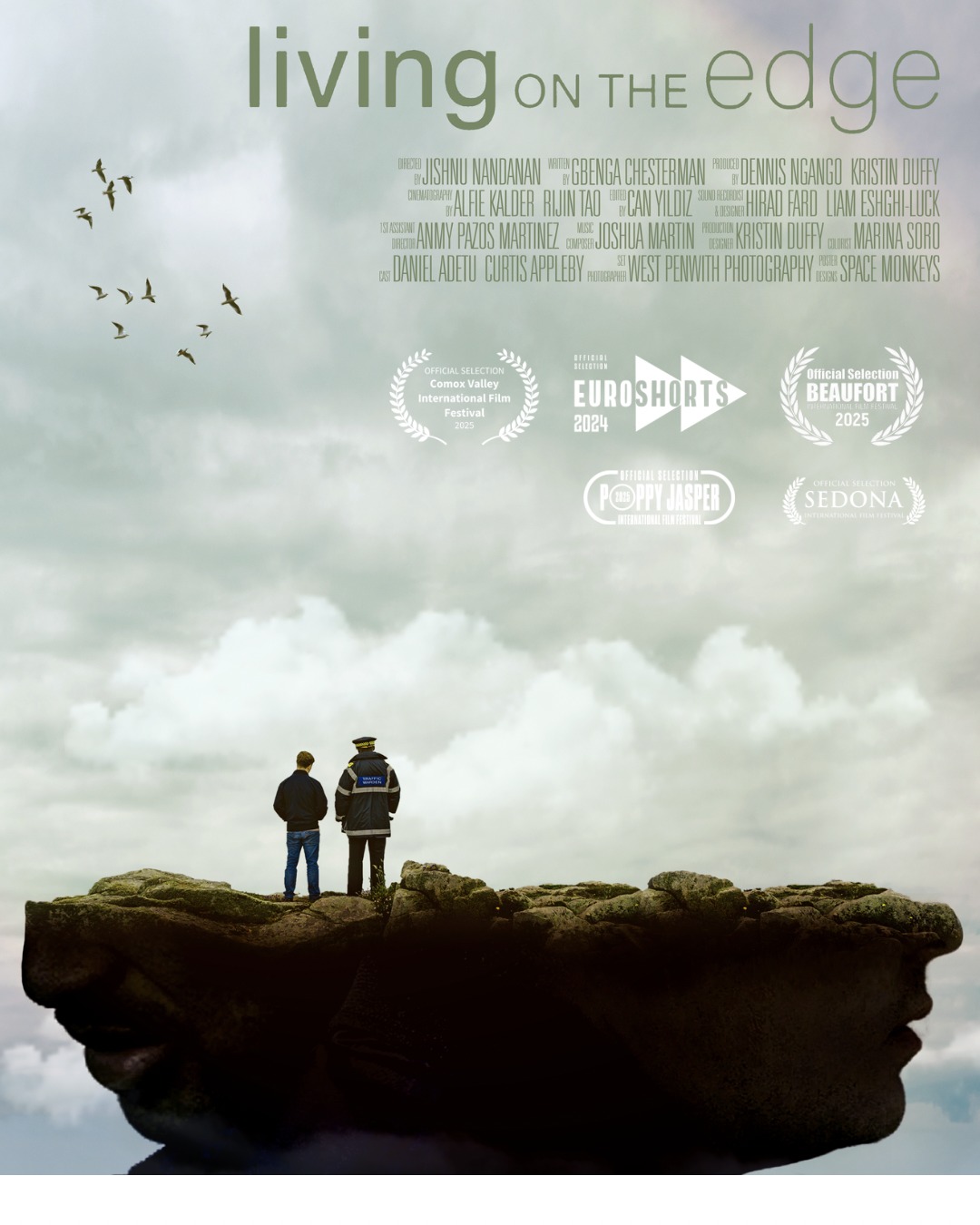
Title of film: Living on the Edge
Year: 2024
Region: South Africa
This film tells the story of a chance encounter between a young British man with an inherited truck and a traffic warden, who are at their wits’ end, and now find themselves at the edge of a cliff. Both men, battling with suicidal ideation, find their lives intersecting through a shared experience that inspires them to choose life for yet another day. Their momentary brotherhood forms over witty conversation, and at times, a contemplative silence, as they attempt to fix the ice-cream truck that has now broken down. The beauty of the film lies not only in their bond but in the unspoken grief and understanding that each man carries. The film thus becomes a poignant reminder of the importance of men’s mental health, an evergreen and urgent theme, specifically in a country with a complex history such as South Africa, where manhood comes packaged with gender norms such as “indoda ayikhali” (meaning: a man doesn’t cry). It also reminds us of the age-old African proverb that forms the backbone of South African society, which says, “Umuntu ngumuntu ngabantu” (I am, because you are), encouraging community and humanity.
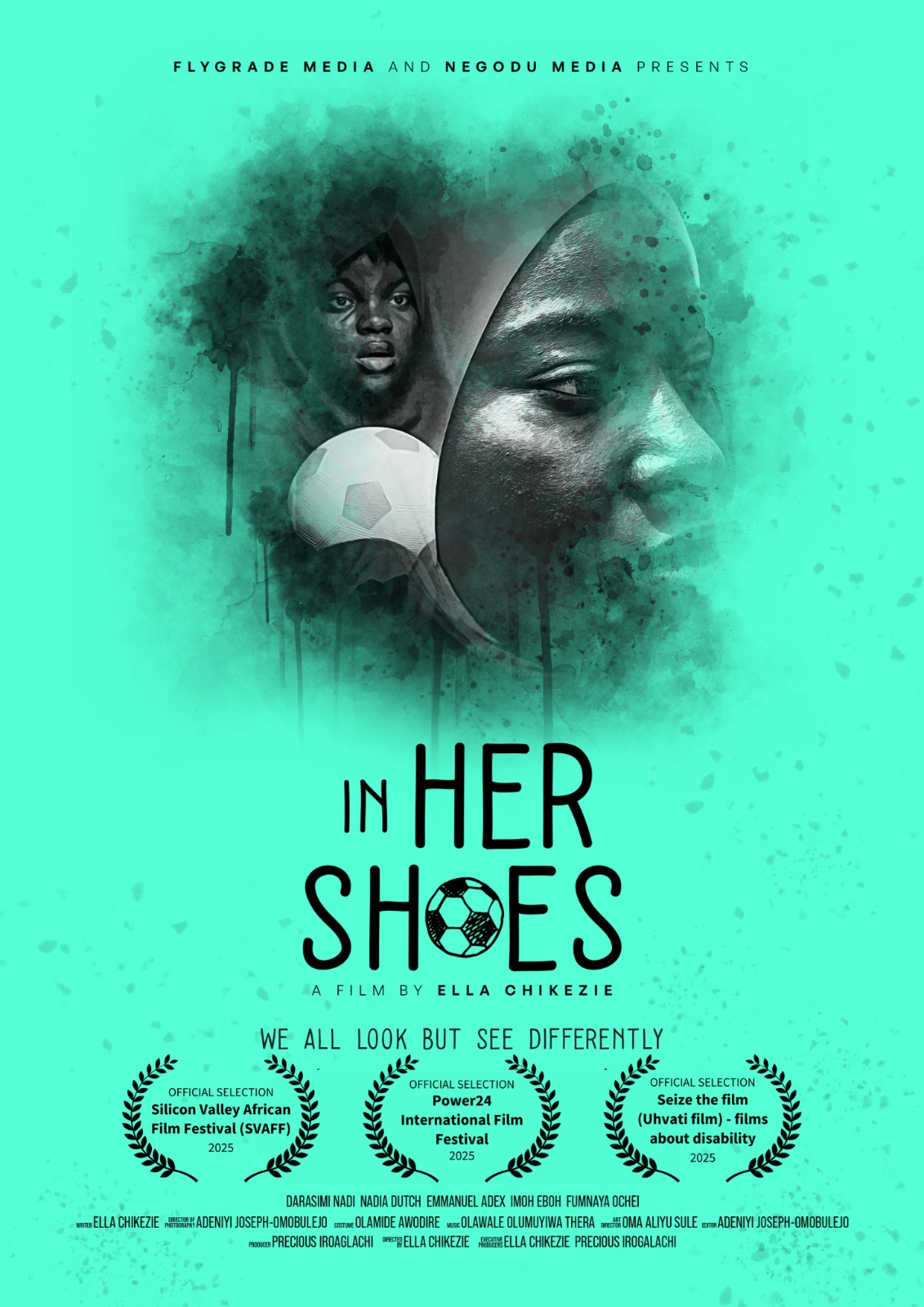
Title of the film: In Her Shoes
Year: 2025
Region: Nigeria
In Her Shoes is a film that raises awareness of neurodivergence, particularly in African communities. Through the lens of a young girl living with undiagnosed Autism, we see how society misunderstands, judges, and even demonises the difference that exists within others. The film subtly supports the notion that knowledge is power, highlighting its ability to trump ignorance and foster co-existence that prioritises understanding and care. What makes In Her Shoes truly special is not just this awareness, but its commentary on child marriage and the ramifications of living in impoverished communities.
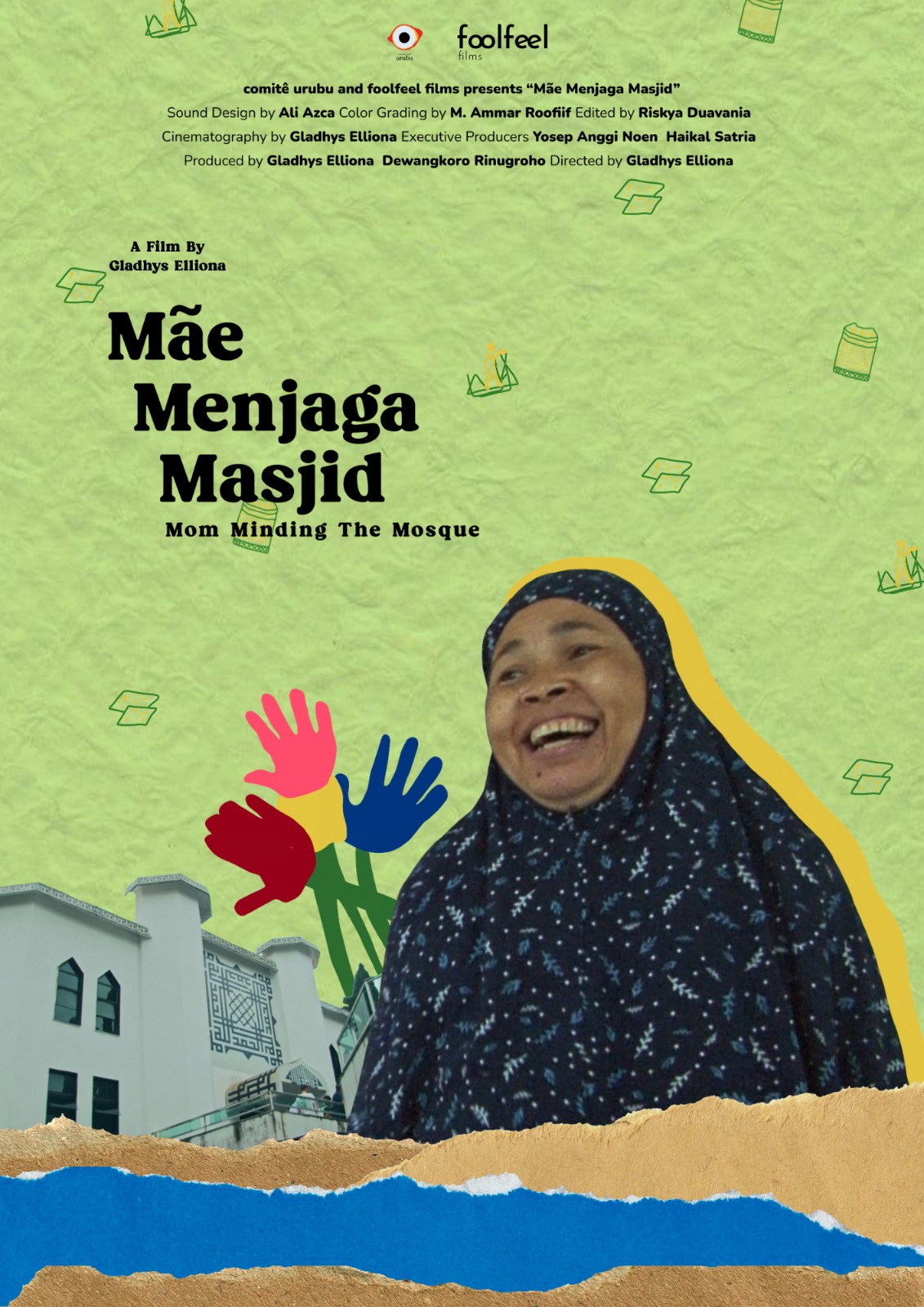
Title of the film: Mom Minding the Mosque
Year: 2024
Region: Indonesia
This film follows the daily toil of Bu Ipah, a mother, a wife, and the caretaker of a mosque in Brazil. Bu Ipah’s life mirrors that of many women around the world – her days are shaped by routine and quiet devotion. She oscillates between her home and the mosque, often cooking two meals at dinner, one inspired by Brazilian cuisine (an ode to the sacred space she has tended to for 28 years), and another inspired by Indonesian cuisine, a homage to her homeland, Indonesia, and a great comfort to her family. These intentional acts are gestures of belonging that are delivered without spectacle, but with care. Although this may be, Bu Ipah tells us of her exhaustion, and the film depicts this truth through how she moves, her silences, and reflections from those around her. The film does an excellent job of not romanticising her labour, yet it does not diminish it. It allows the tension between devotion and weariness to co-exist and invites us to reflect on the lives that quietly sustain our communities, often at great personal cost.
Title of the film: Iron Condemn
Year: 2025
Region: Nigeria
This short environmental documentary offers us a snapshot of the realities faced by Nigerian youth who live and work on the streets of Nigeria. The documentary’s brutally honest depiction of how these young people negotiate for survival daily is a difficult yet necessary watch that features heartbreaking testimonies that bring us closer into a world where a dumpsite becomes a makeshift home; A home where survival depends on what can be recycled, traded in, or sold, and where life on the margins is given a spotlight.
About the critic:
Sibahle Mabaso is a South African multi-passionate artist working at the intersection of education, theatre, and critical culture practice. She works as a Curriculum Development Consultant at the Centre for Teaching and Learning, UFS. Mabaso holds a BA (Hons) in Drama and Theatre Arts (cum laude) from the University of the Free State. Her theatre work includes Khanya and Her Golden Dream, which received awards for Best Marketing and Best Community Engagement at the Vrystaat Kunstefees. Committed to contributing to the arts beyond performance-making, Mabaso is expanding into film criticism as a way of engaging the industry through reflection and critical dialogue. When she isn’t creating or writing, she is researching, or developing interdisciplinary work.